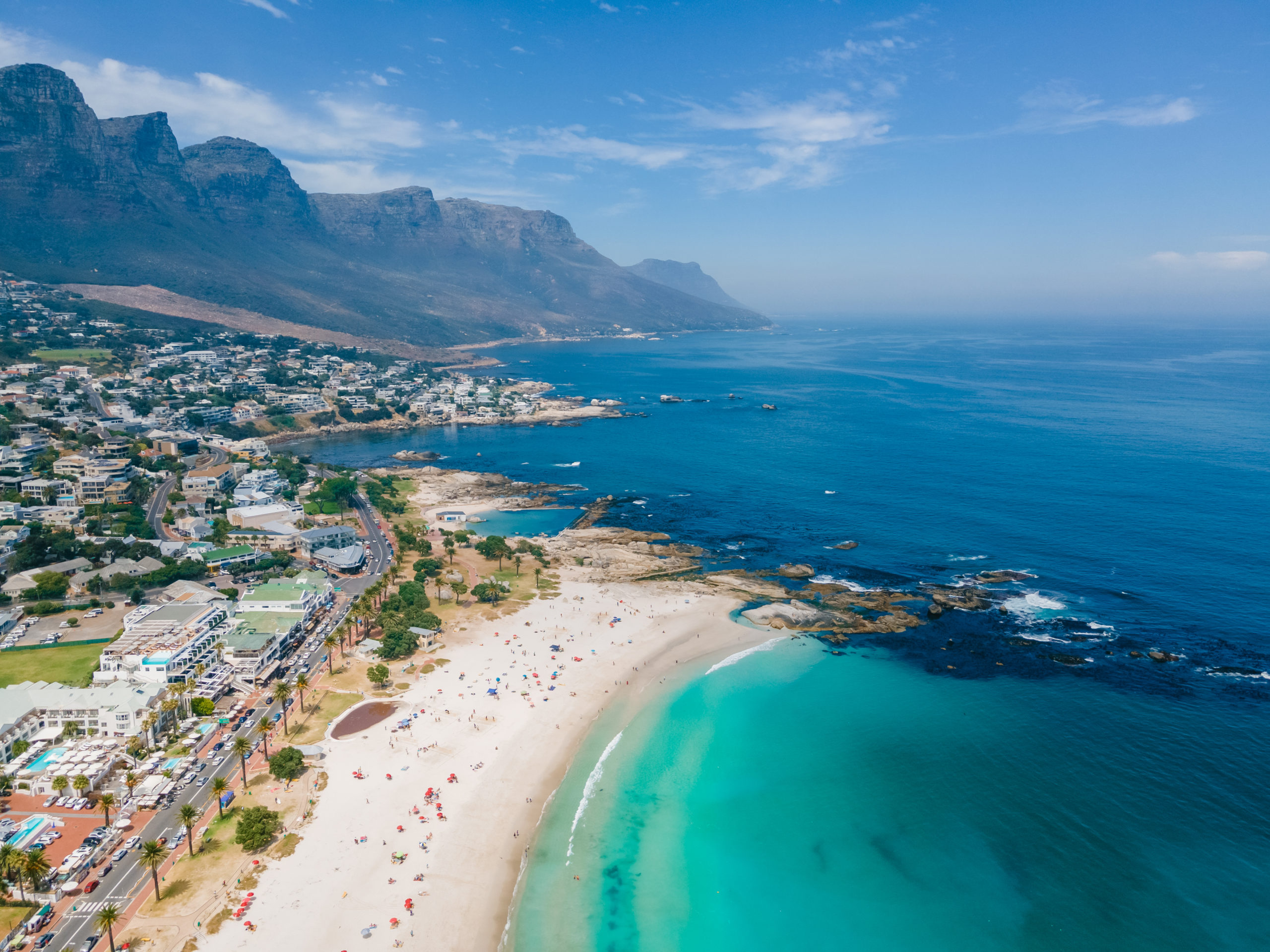
In the late afternoon, the Twelve Apostles turn gold above Camps Bay and the terraces along Victoria Road begin to fill for sunset. Cape Town’s most celebrated beach is at its finest in these hours, when the Atlantic light softens and the day slows to the rhythm of the sea.
Its pleasures, however, reward a little knowledge: where the water is calmest, when to arrive and how best to end the day.
Camps Bay Beach at a Glance
| Detail | What to know |
| Location | Atlantic Seaboard, Cape Town, below the Twelve Apostles and Lion's Head |
| Status | Blue Flag beach (listed since 2008; 2025/26 season: 1 December to 28 February) |
| Distance from the city centre | Roughly 8 km, around 10 to 15 minutes by car via Klook Nek |
| Distance from Atzaró Cape Town | Around 15 minutes by car |
| Water temperature | Cold Atlantic water, typically around 12ºC to 16ºC |
| Best for | Sunbathing, sunset, beachfront dining, tidal pool swimming |
| Calmest swimming | Camps Bay Tidal Pool, at the southern (Bakoven) end |
| Peak season | December to February |
Why Are the Camps Bay Beaches in Cape Town So Famous?
The simple answer is the setting. Camps Bay Beach is Cape Town’s iconic Blue Flag stretch of sand, lying between Lion’s Head to the north and the long ridge of the Twelve Apostles to the south. Few city beaches anywhere have a mountain range standing directly behind them, and the effect is theatrical: the sea in front, sheer rock behind, and a small, affluent suburb tucked in between.
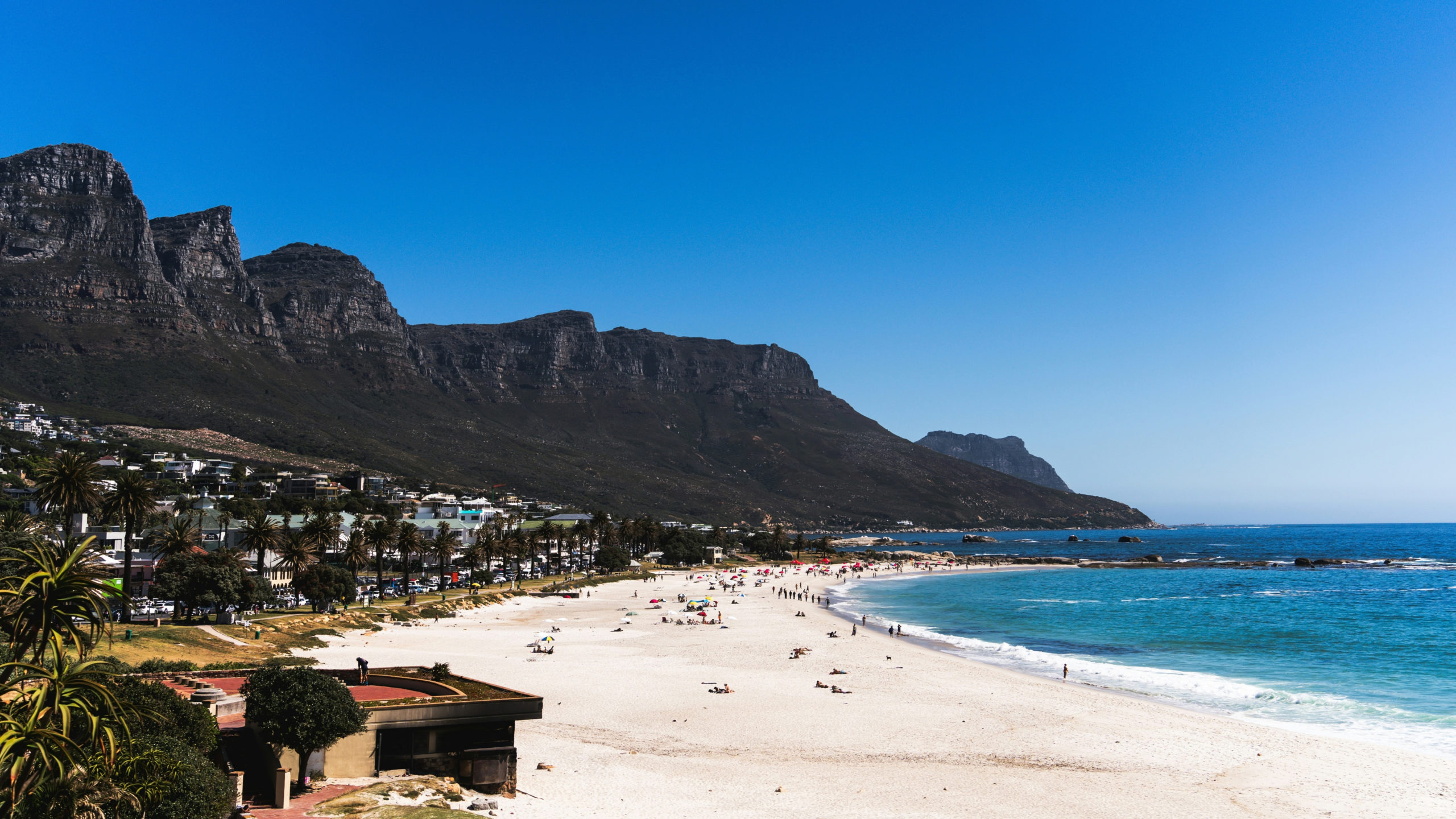
The Blue Flag matters too. Camps Bay has held the international eco-label since 2008 and retained it for the 2025/26 season, alongside seven other beaches in the city, including neighbouring Clifton 4th. T o qualify, a beach must meet standards for water quality, cleanliness, safety and environmental education, and lifeguards are on duty during the Blue Flag season, which runs from 1 December to 28 February.
Then there is the light. Because Camps Bay faces west, the sun sets directly over the ocean, and in summer that happens late, often after 7.30pm. The last hour of the day, when the Twelve Apostles glow orange and the whole promenade turns towards the horizon, is the real reason many people come.
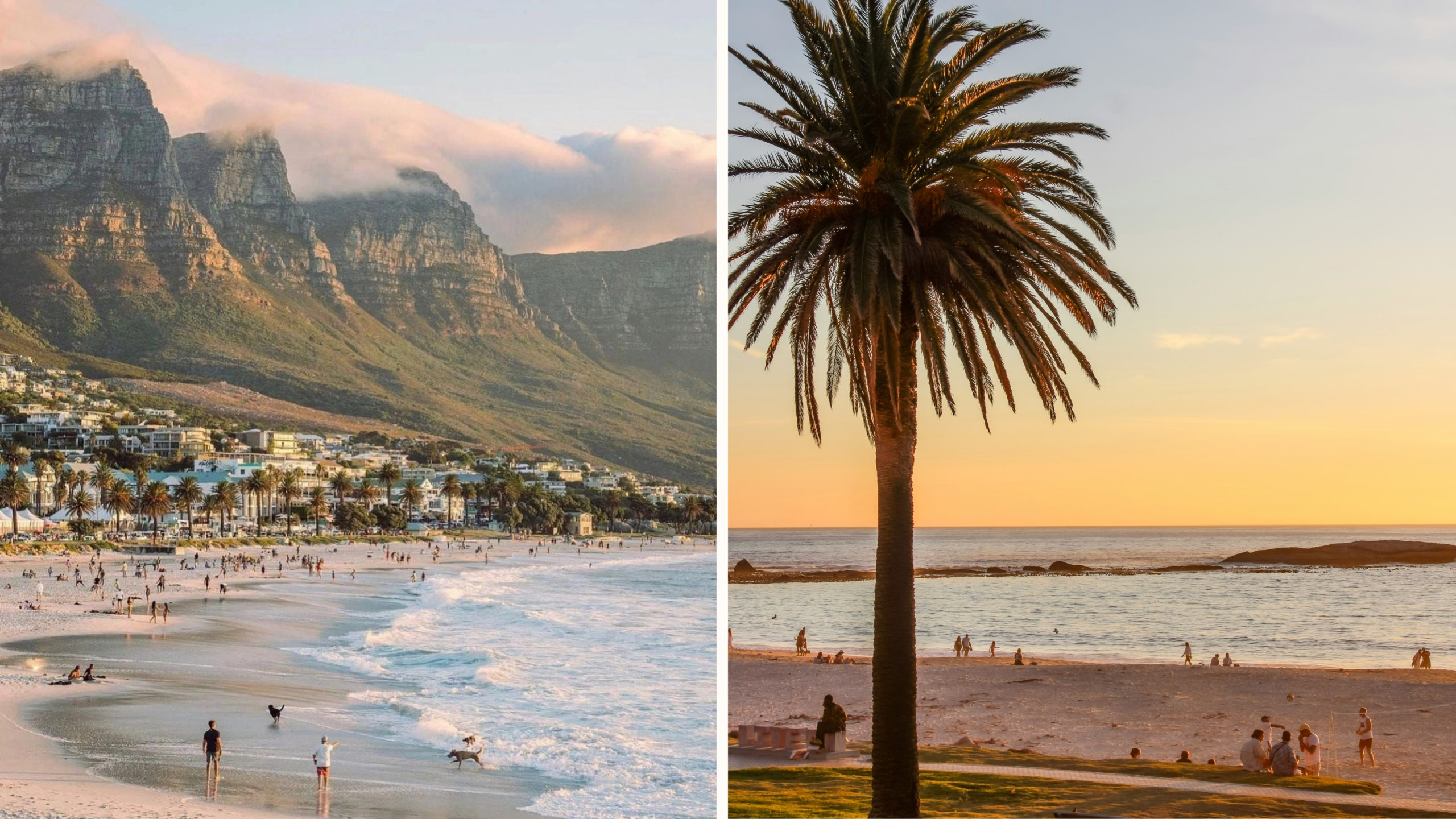
What the postcards do not show is the temperature of the water. The Atlantic here is fed by the cold Benguela Current, and even in the height of summer the sea is refreshing at best. Most visitors treat a swim as a quick, bracing plunge rather than a long float, which is part of the ritual. Camps Bay is also only one of several beautiful stretches of sand along this coast; if you are planning a longer stay, our guide to Cape Town’s best beaches covers the others, from the sheltered coves of Clifton to the warmer water of False Bay.
How To Get Around Camps Bay Area
Camps Bay is compact and easy to navigate, but it helps to understand how it connects to the rest of the city.
From Atzaró Cape Town
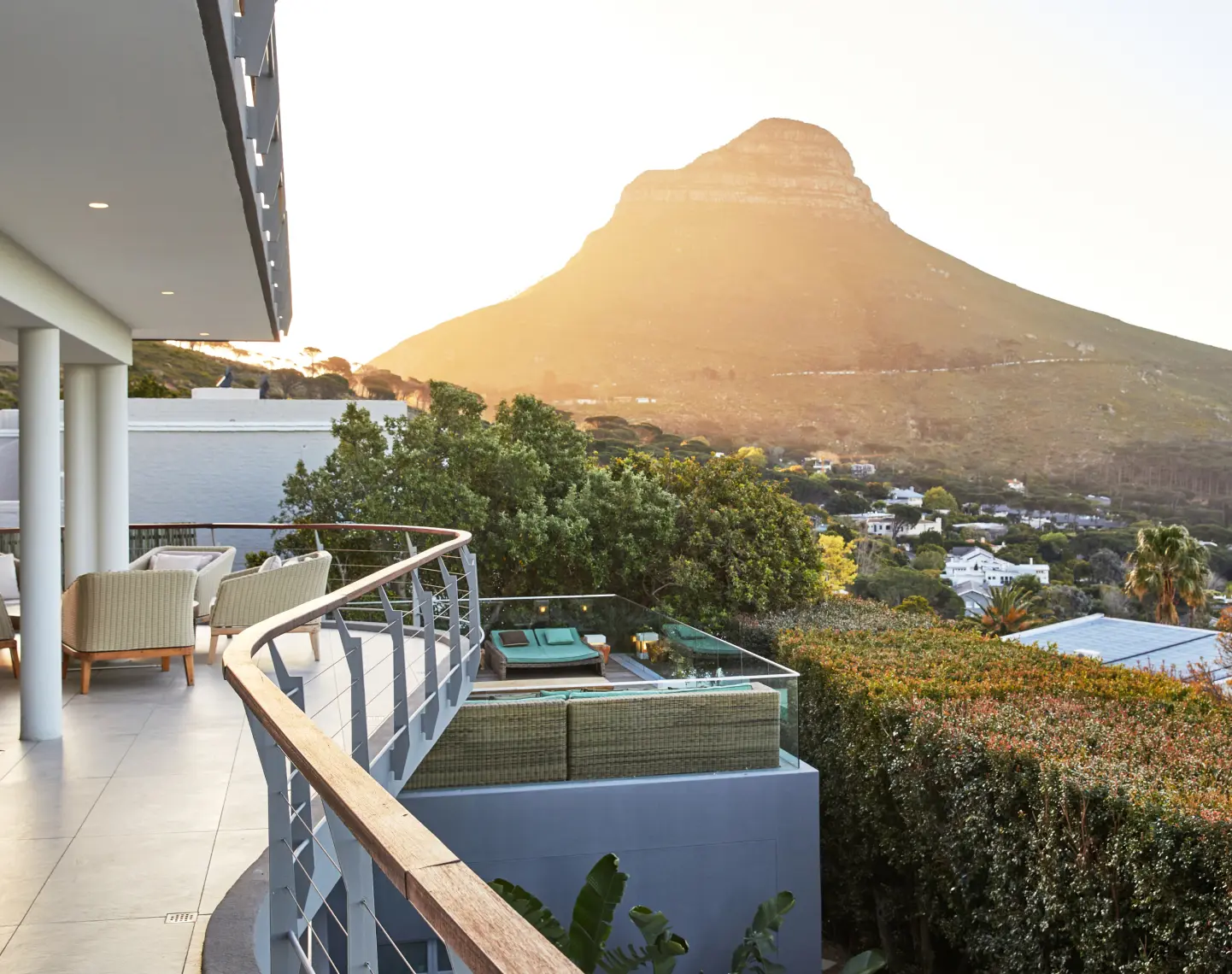
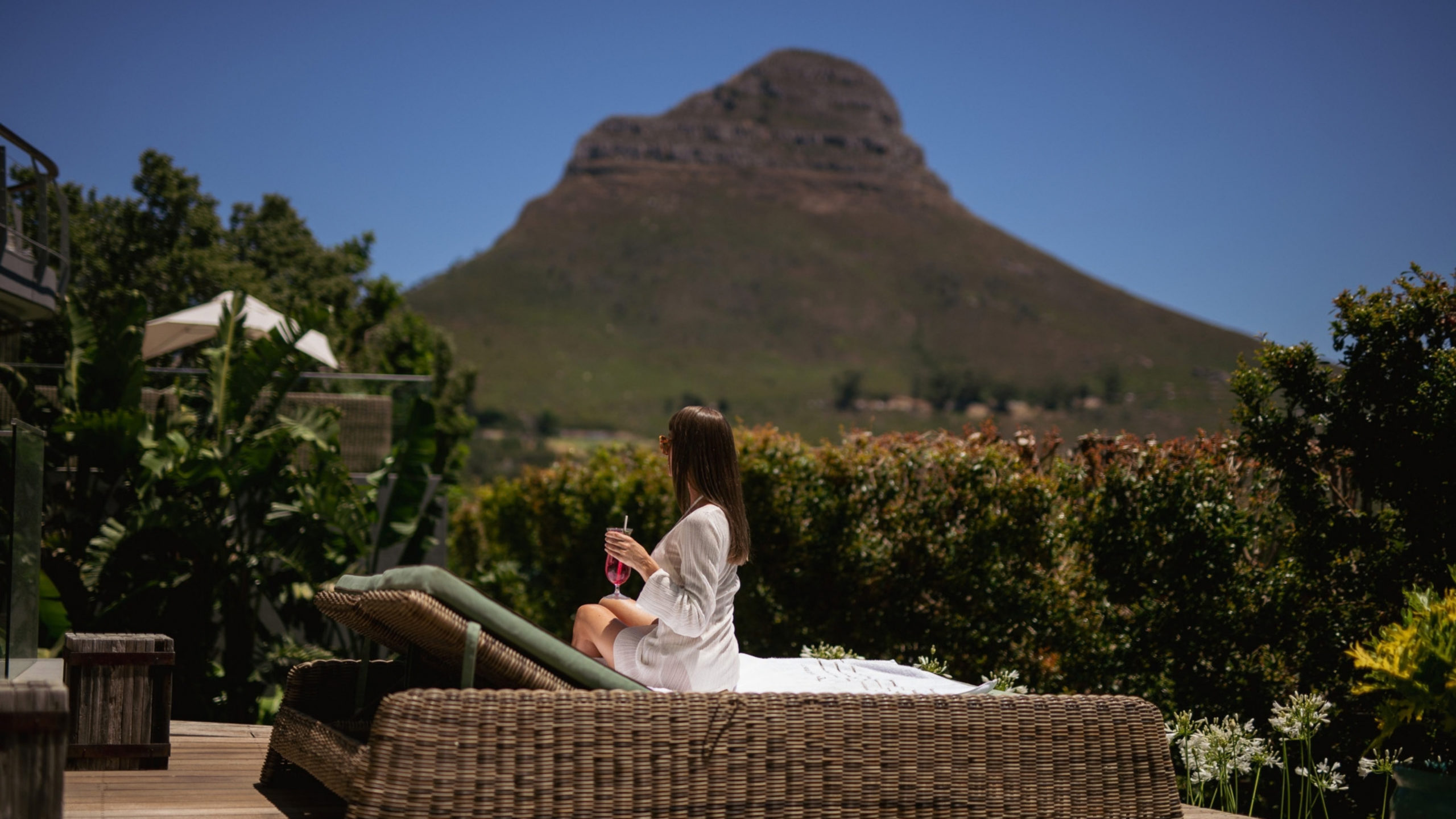
Atzaró Cape Town sits in Oranjezicht, a quiet residential area at the foot of Table Mountain National Park, on the edge of the City Bowl. There is no other property behind the hotel, only the slopes of the mountain. From here, Camps Bay Beach is a 15-minute drive over Kloof Nek, the saddle between Table Mountain and Lion’s Head, which makes it easy to spend the day on the coast and return to the calm of the mountain in the evening.
“Most of our guests spend the day on the Atlantic side and come home to the mountain in the evening. The drive over Kloof Nek becomes part of the ritual: you leave the sand and the noise behind, and fifteen minutes later Table Mountain is right there above the terrace.” — Jordi, General Manager, Atzaró Cape Town
From the City Centre and the V&A Waterfront
From the city centre, the most direct route is over Kloof Nek Road and down Camps Bay Drive, a journey of roughly 10 to 15 minutes outside rush hour. From the V&A Waterfront, many people prefer the coastal road along Victoria Road through Sea Point, Bantry Bay and Clifton, which takes a little longer but is one of the most scenic drives in the city. MyCiTi bus routes also link Camps Bay with the city centre and the Waterfront.
From Cape Town International Airport
The airport lies on the other side of the city, and the drive to Camps Bay usually takes around 35 to 45 minutes depending on traffic. Most travellers use a pre-booked private transfer or a verified rideshare app rather than hailing a taxi on arrival.
Parking and Getting Around on Foot
Parking along Victoria Road and in the side streets fills up quickly on summer weekends, so it is worth arriving before 10am or using a rideshare. Once you are there, everything is walkable: the promenade runs the length of the beach, the restaurants sit directly opposite the sand, and the tidal pool and Bakoven are a short stroll south. If you would rather not deal with logistics at all, our team can help you plan your trip to Cape Town so the day unfolds around you.
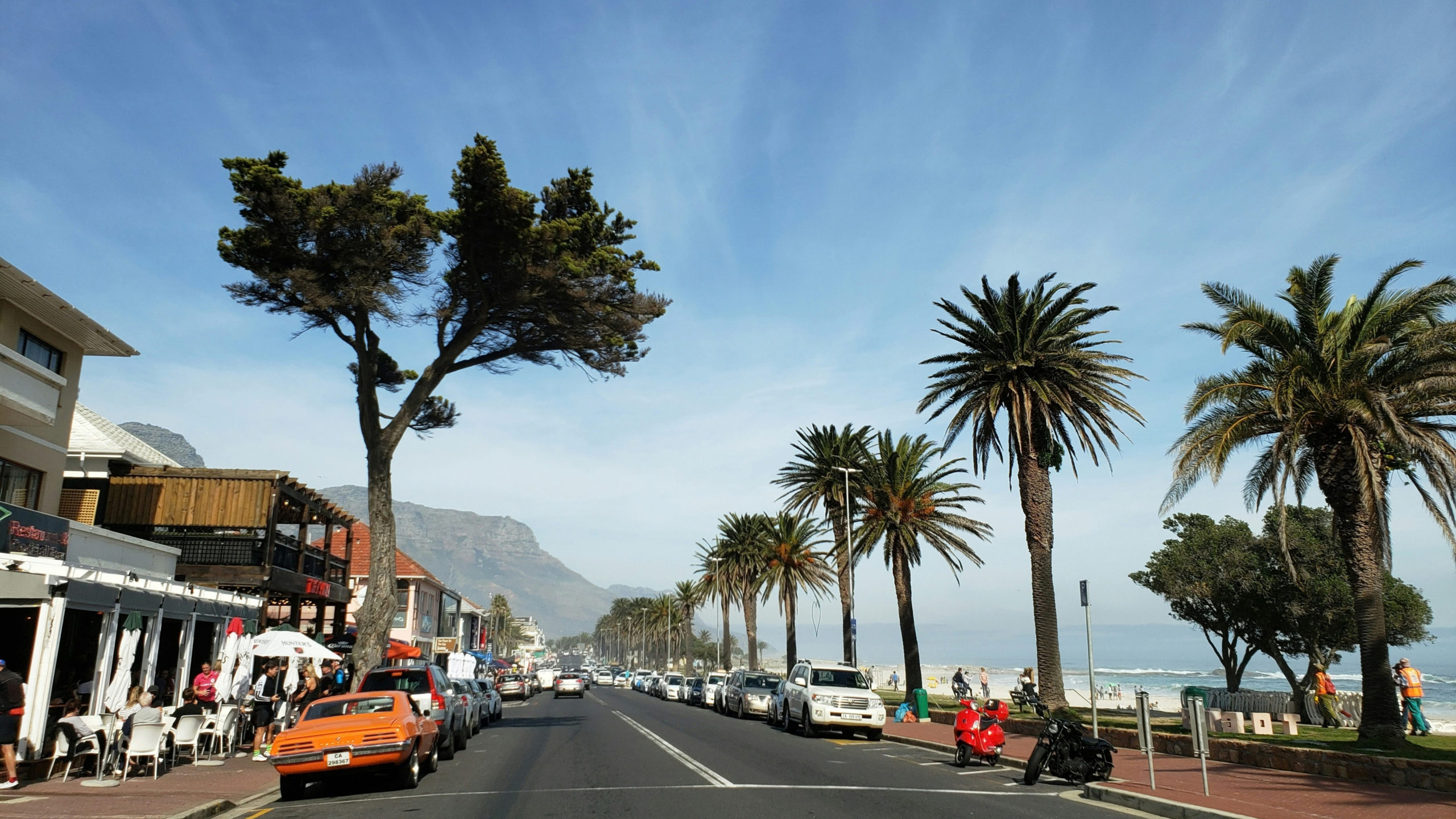
Where Should You Swim? Main Shoreline, Secret Enclaves & the Camps Bay Tidal Pool
Camps Bay offers far more variety than a single beach suggests. Here is what to expect from each spot, from the main shoreline to the smaller coves locals tend to keep to themselves.
The Main Beach
The main stretch of Camps Bay Beach is wide, soft and generous, with plenty of room even on busy days. It is best for sunbathing, long walks at the water’s edge and a quick swim. The waves can be strong and there is sometimes a noticeable backwash, so swim between the lifeguard flags in season and stay within your depth. Umbrellas and loungers are often available to rent along the beach in summer, and there is a grassy area beneath the palms for those who prefer shade.
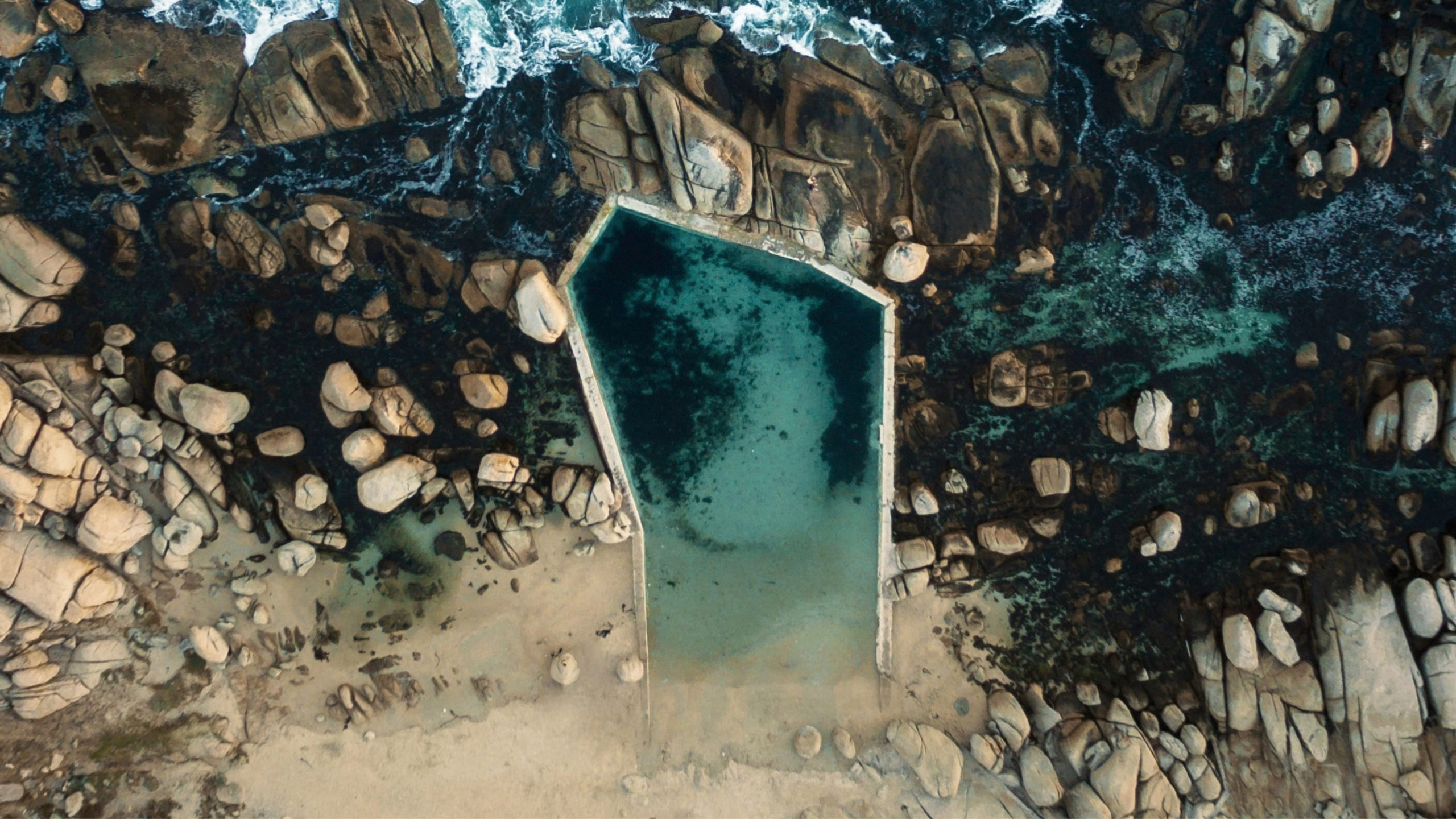
The Camps Bay Tidal Pool
At the southern end of the beach, just below Victoria Road on the Bakoven side, the Camps Bay Tidal Pool is a rock-enclosed pool filled by the sea. It offers calm, clear water protected from the Atlantic swell, which makes it the best option for families, confident children and anyone who wants a proper swim rather than a plunge. The water is just as cold as the ocean, but noticeably gentler. Access is paved, with steps and a ramp, and the view back towards the Twelve Apostles is one of the loveliest in Camps Bay. Late afternoon is a particularly good time to go, as the sun sets almost directly in front of the pool.
Glen Beach
At the northern end of Camps Bay, Glen Beach is smaller and more sheltered by boulders. It is known as the area’s surfing beach, and on a good day you will see local surfers waiting for sets while the rest of the beach is busy with sunbathers. It has a slightly more relaxed, local feel than the main stretch.
Maiden’s Cove
Between Glen Beach and Clifton, Maiden’s Cove has a grassed picnic area and small tidal pools tucked among the rocks. It is a good place for a quieter afternoon, with views across to Camps Bay and the Twelve Apostles.
Bali Beach and Bakoven
A few minutes’ walk south of the tidal pool, the small coves around Bakoven feel like a different world from the promenade. Bali Beach, protected by granite boulders, is one of the calmer spots for a swim, and the atmosphere is residential and unhurried. Arrive early, bring what you need and leave nothing behind: there are no facilities here, which is exactly why people love it.
Dining & Evening Strolls: Is Camps Bay Beach Safe at Night?
As the sun drops, Camps Bay changes pace. The beach empties, the terraces along Victoria Road fill up, and the promenade becomes the place to walk off dinner with the sound of the sea alongside.
The Strip, as locals call this stretch of Victoria Road, is lined with restaurants, oceanfront cocktail bars and cafés facing the beach. Seafood is the obvious choice, with sushi and grilled line fish on most menus, and Western Cape wines from Constantia, Stellenbosch and Franschhoek are poured almost everywhere. For sunset, book a table with a sea view well in advance during December and January, when the best spots are reserved days ahead.
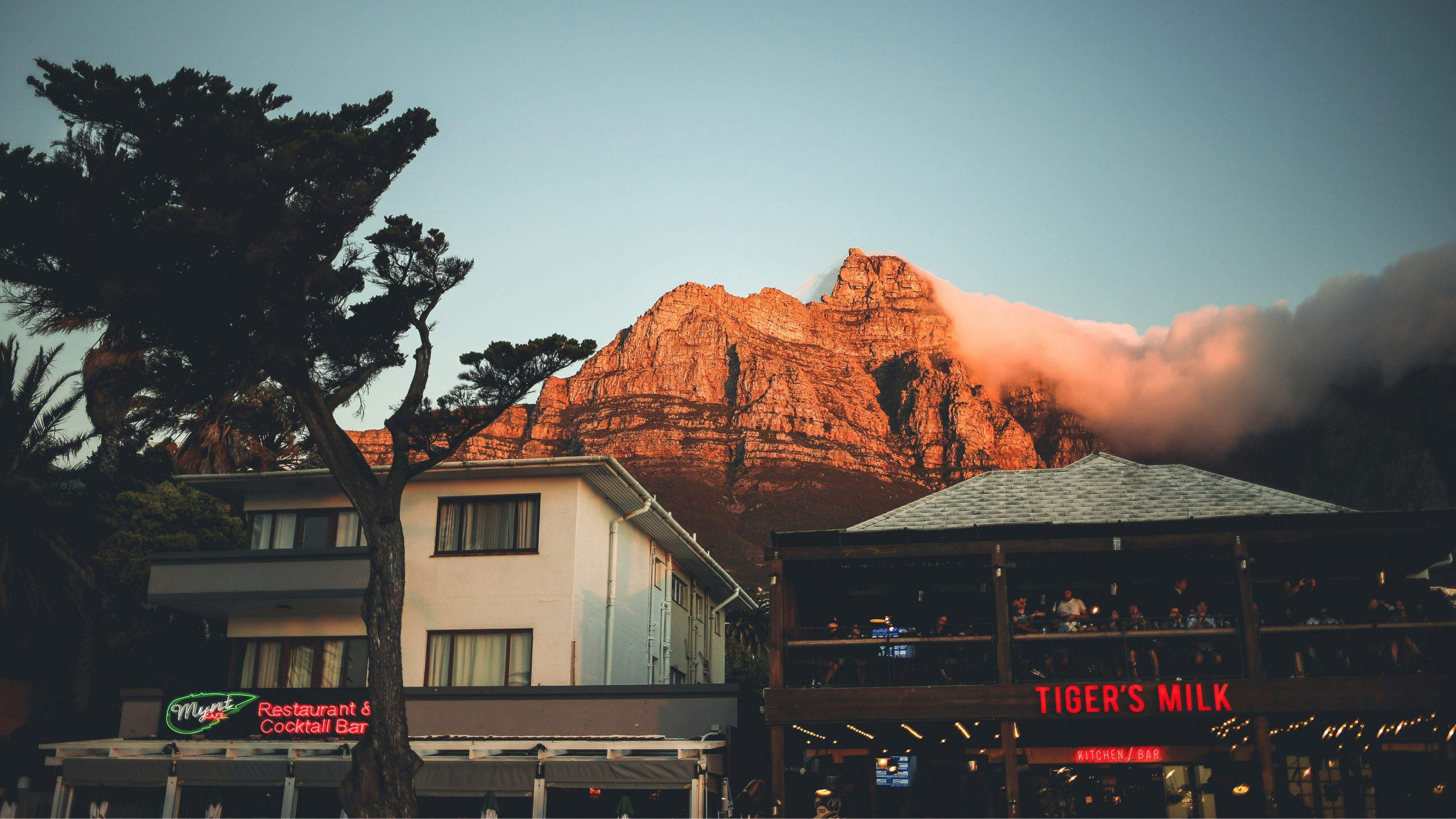
So, is Camps Bay Beach safe at night? Objectively, the main promenade and restaurant strip are among the busiest and best-lit public spaces on the Atlantic Seaboard. The Strip stays lively well into the evening, there is a visible security presence in peak season, and the area is used to welcoming international visitors. As in any city, the sensible approach is to stay where the people and the lights are: enjoy the promenade and the restaurants, but avoid the darker sections ofbeach and the isolated coves once night falls, keep phones and valuables discreet, and pre-book a car home rather than walking to a distant parking spot.
For a broader view of how to move around the city with confidence, including the safest neighbourhoods and transport advice, read our guide: is Cape Town safe?
Should You Stay at Camps Bay Beach Hotel or Retreat to a Table Mountain Boutique Accommodation?
Where you stay shapes the whole rhythm of a Cape Town trip, and there are two quite different ways to experience Camps Bay.
Staying on the beachfront puts you in the middle of the energy. You can walk to breakfast, fall asleep to the sound of the waves and step straight onto the sand. The trade-off is that the Strip is busy and sociable by nature, especially in summer, with traffic, music and crowds that continue into the evening. It suits travellers who want to be in the centre of things and plan to spend most of their time on this side of the mountain.
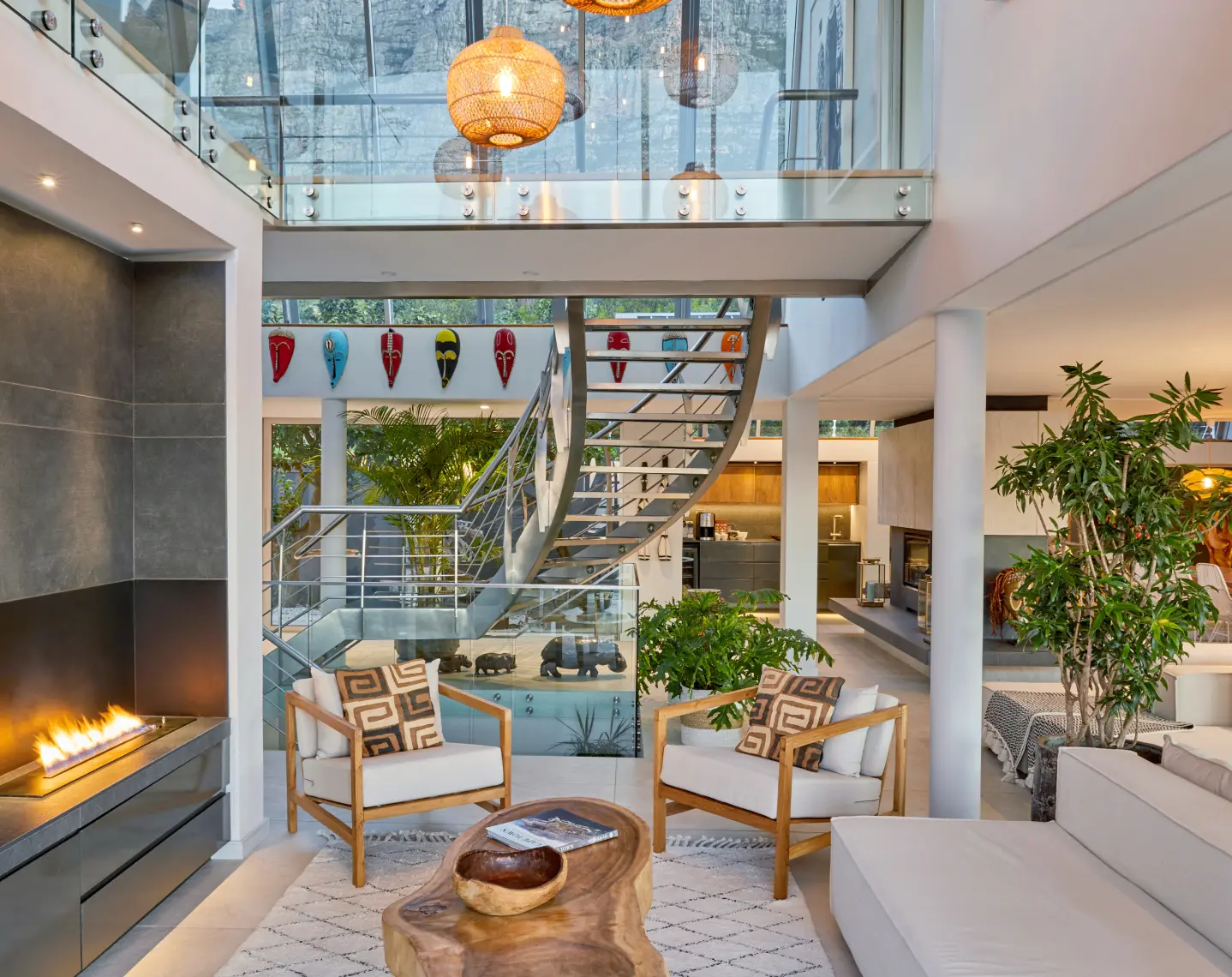
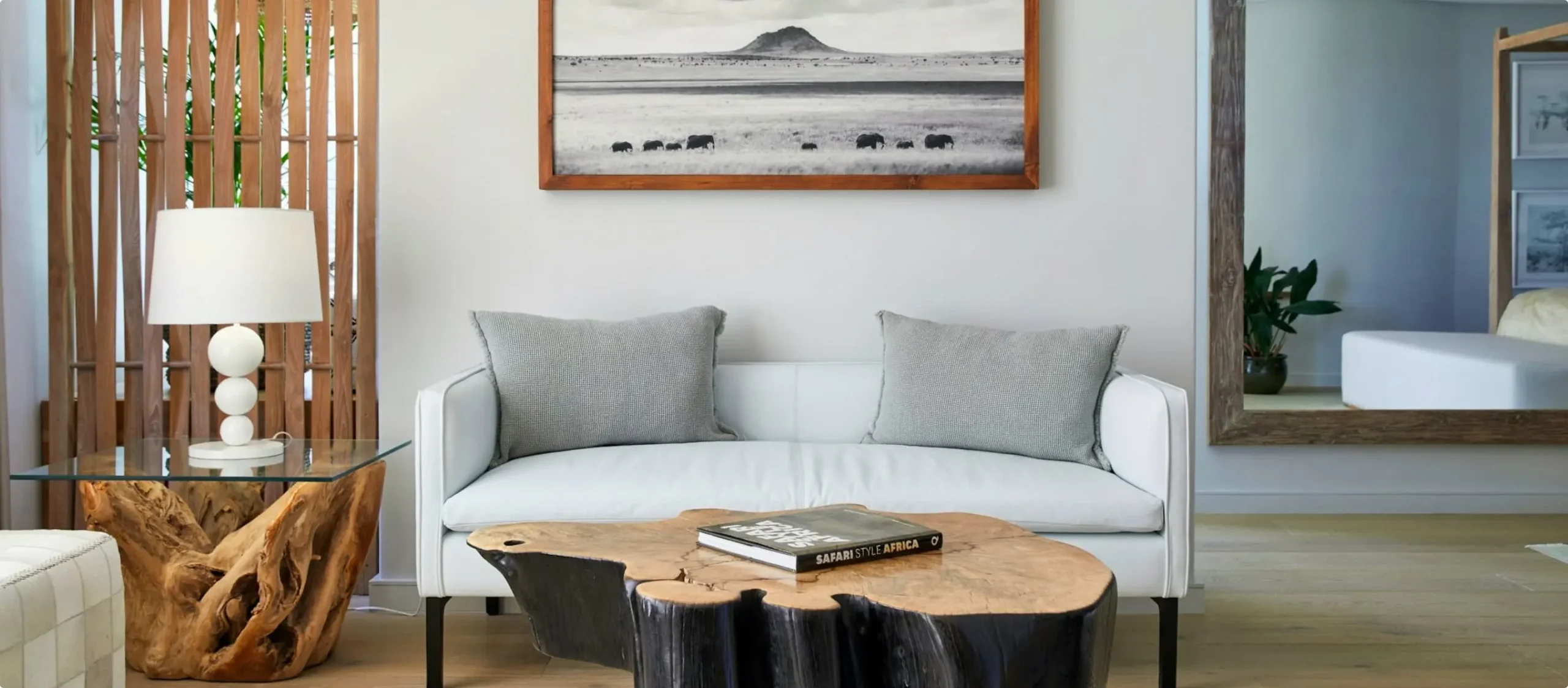
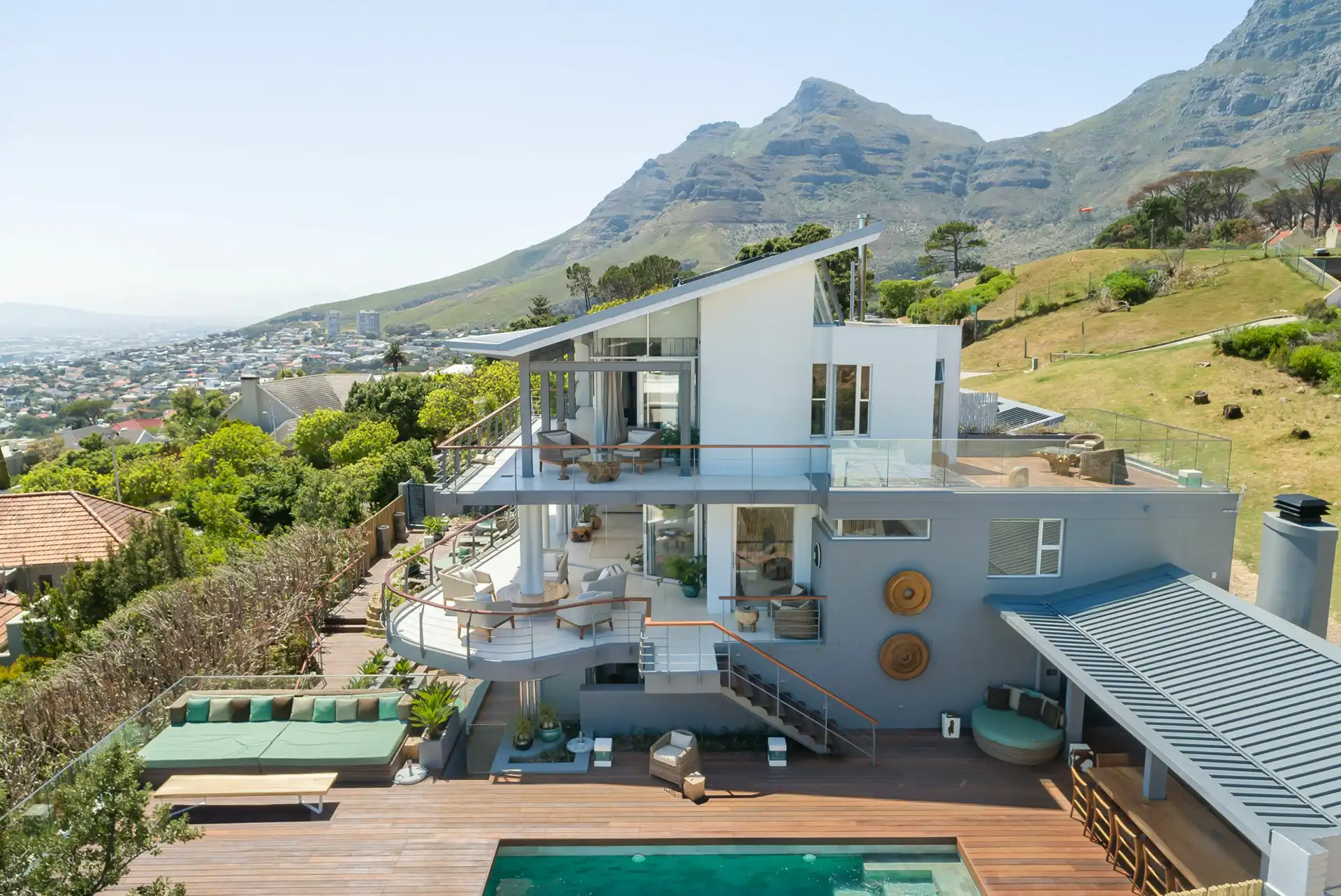
The alternative is to treat the beach as a day out and return somewhere calmer. Atzaró Cape Town is an intimate, six-suite hotel in Oranjezicht, at the foot of Table Mountain, with panoramic views of the mountain, Lion’s Head, Devil’s Peak and the City Bowl.
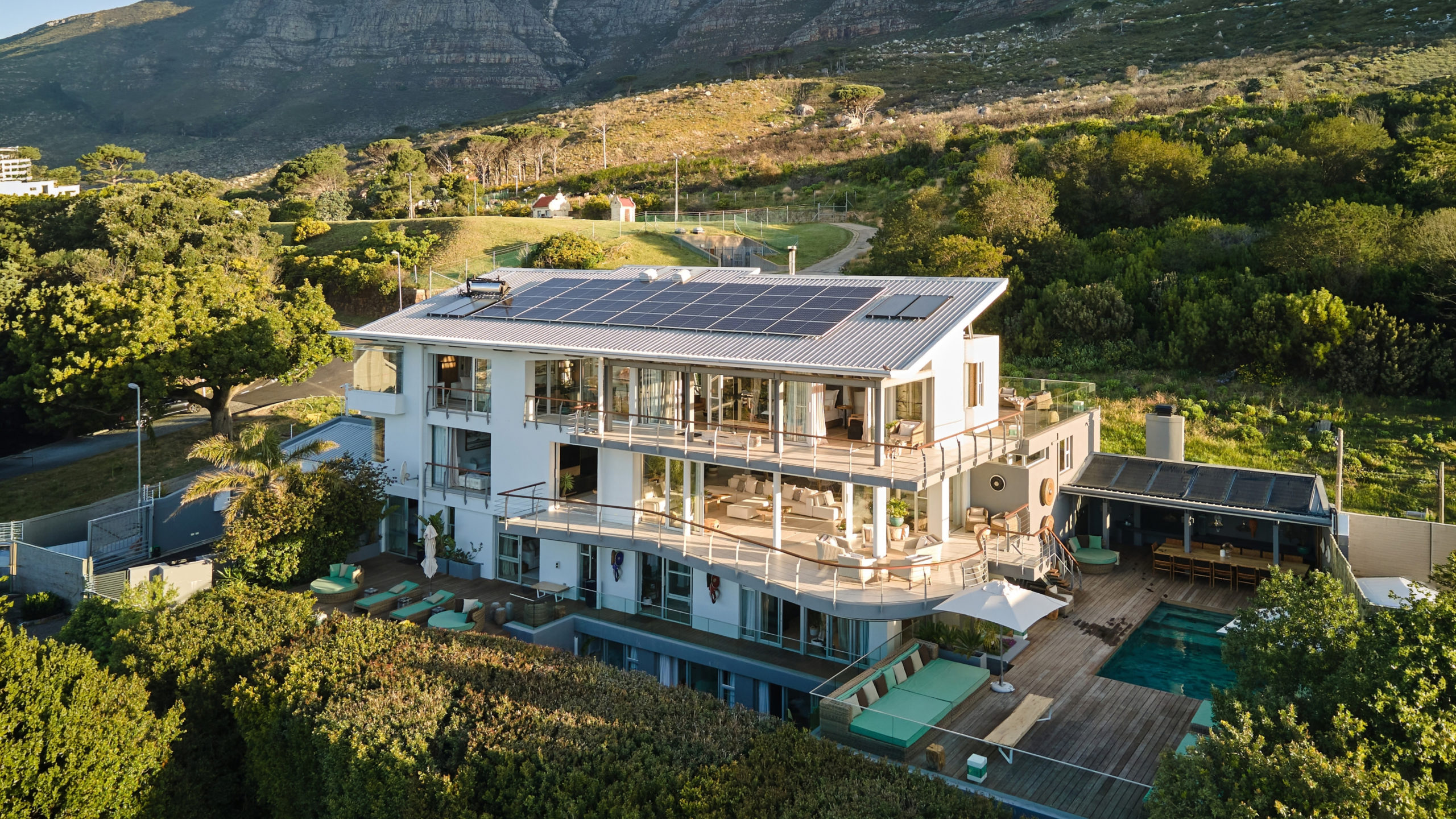
Days here start slowly: breakfast is included and built around seasonal, locally sourced produce, the wellness area has a yoga and massage room, a gym and sauna, and the pool terrace, with its daybeds and braai area, looks straight up at the mountain. With 24-hour staff and a City and Safari Concierge, the day can be shaped around whatever you want to do, whether that is Camps Bay, a hike or a wine tour.

Compared with a typical Camps Bay boutique hotel, the difference is less about distance, since the beach is 15 minutes away, and more about atmosphere. You get the sea by day and the silence of the mountain by night, and with Table Mountain National Park on the doorstep, a morning walk can begin almost at the gate. Each of our luxury suites is framed by its own view, and our concierge team can put together curated experiences across the Cape, from a cable car ride up Table Mountain to beach horse riding and wine tours.
In short: stay on the beachfront if the Strip is the point of your trip; stay at the foot of the mountain if you want Camps Bay as part of a wider, more restful Cape Town.
Got Questions? Quick Answers About Visiting Camps Bay
How far is Camps Bay from Cape Town city centre?
Camps Bay is roughly 8 km from the city centre, around 10 to 15 minutes by car over Kloof Nek outside rush hour. From Atzaró Cape Town in Oranjezicht, the drive takes about 15 minutes.
Is Camps Bay Beach good for swimming?
Yes, but the Atlantic is cold, usually around 12°C to 16°C, and the waves can be strong. Swim between the lifeguard flags in season, or head to the Camps Bay Tidal Pool at the southern end for calmer, sheltered water.
Is Camps Bay Beach safe?
Camps Bay is one of Cape Town’s most popular and well-managed beaches, with Blue Flag status, lifeguards in season and a busy, well-lit promenade. Take normal city precautions: keep valuables out of sight, stay in busy areas after dark and use a pre-booked car at night.
When is the best time to visit Camps Bay Beach?
December to February is peak beach season, with long, hot days and lifeguards on duty. March and April are quieter and often less windy, making them ideal for sunsets and dining on the Strip.
Where is the Camps Bay Tidal Pool?
The tidal pool is at the southern end of Camps Bay Beach, just below Victoria Road on the Bakoven side. It has paved access with steps and a ramp, and is a favourite for families andsunset swims.
Can you watch the sunset from Camps Bay Beach?
Yes. Camps Bay faces west, so the sun sets directly over the Atlantic, and in summer this often happens after 7.30pm. The promenade, the tidal pool and the terraces along Victoria Road are all good places to watch it.
Reserve your Table Mountain luxury sanctuary at Atzaró Cape Town, just 15 minutes from Camps Bay.