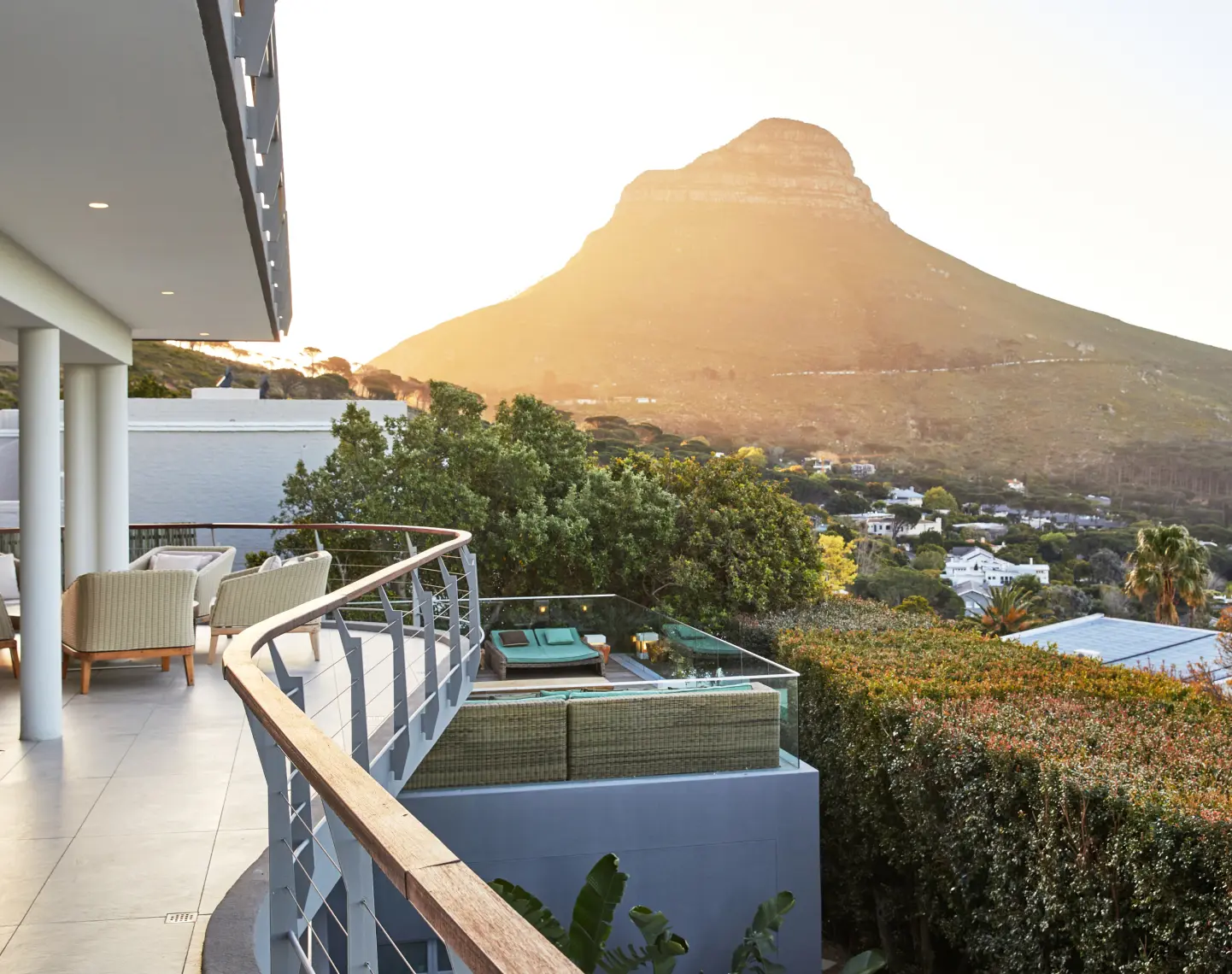

Ask a Capetonian whether the city is safe and the answer rarely comes as a simple yes or no. It comes as advice: the road to take home, the hour to begin a hike, the promenade for an evening walk. Cape Town is safe for visitors who travel with that same local knowledge.
Where to stay, how to move around and which small habits matter: understood well, they allow the city to be enjoyed with complete ease.
Cape Town Safety at a Glance
| Topic | What to know |
| Overall | Safe for visitors who use private transport, stay in well-established areas and follow local advice |
| Safest areas to stay | V&A Waterfront, Atlantic Seaboard (Camps Bay, Sea Point), Constantia, Table Mountain residential enclaves |
| Getting around | Pre-booked private transfers or verified rideshare apps; avoid unmarked street taxis |
| Main roads | M3 and N2 between the airport, the city and de southern suburbs |
| Payments | Tap-and-pay cards; ATMs inside mails or banks rather than on the street |
| General emergency (mobile) | 112 |
| Police (SAPS) | 10111 |
| Ambulance | 10177 |
| Wilderness Search and Rescue | 021 937 0300 |
| Table Mountain National Park | 086 110 6417 |
Is Cape Town Safe for Luxury Travelers Visiting South Africa?
Yes. Cape Town’s crime is highly localised and concentrated in areas far from the neighbourhoods, attractions and restaurants that visitors frequent. When you stay in an established area, travel with private chauffeurs or verified rideshares and take the ordinary precautions you would in any large city, Cape Town is a safe and deeply enjoyable place to be.
It helps to understand why the question comes up so often. South Africa’s national crime statistics are high, and they are widely reported, but they describe a large and very unequal country, not the daily experience of a visitor in Cape Town’s central and coastal areas. The areas where travellers spend their time, from the City Bowl to the Atlantic Seaboard and the Winelands, benefit from visible private security, active neighbourhood watches and a hospitality industry that is used to welcoming international guests.
The honest answer to “is Cape Town dangerous?” is that the risks for most visitors are opportunistic rather than violent: a phone left on a café table, a bag visible on a car seat, a wrong turn late at night. These are exactly the things that simple planning prevents.
What Are the Safest Areas to Stay in Cape Town for Luxury Travelers?
Where you stay sets the tone for the whole trip. These are the areas we most often recommend to guests who want to explore freely and return somewhere calm.
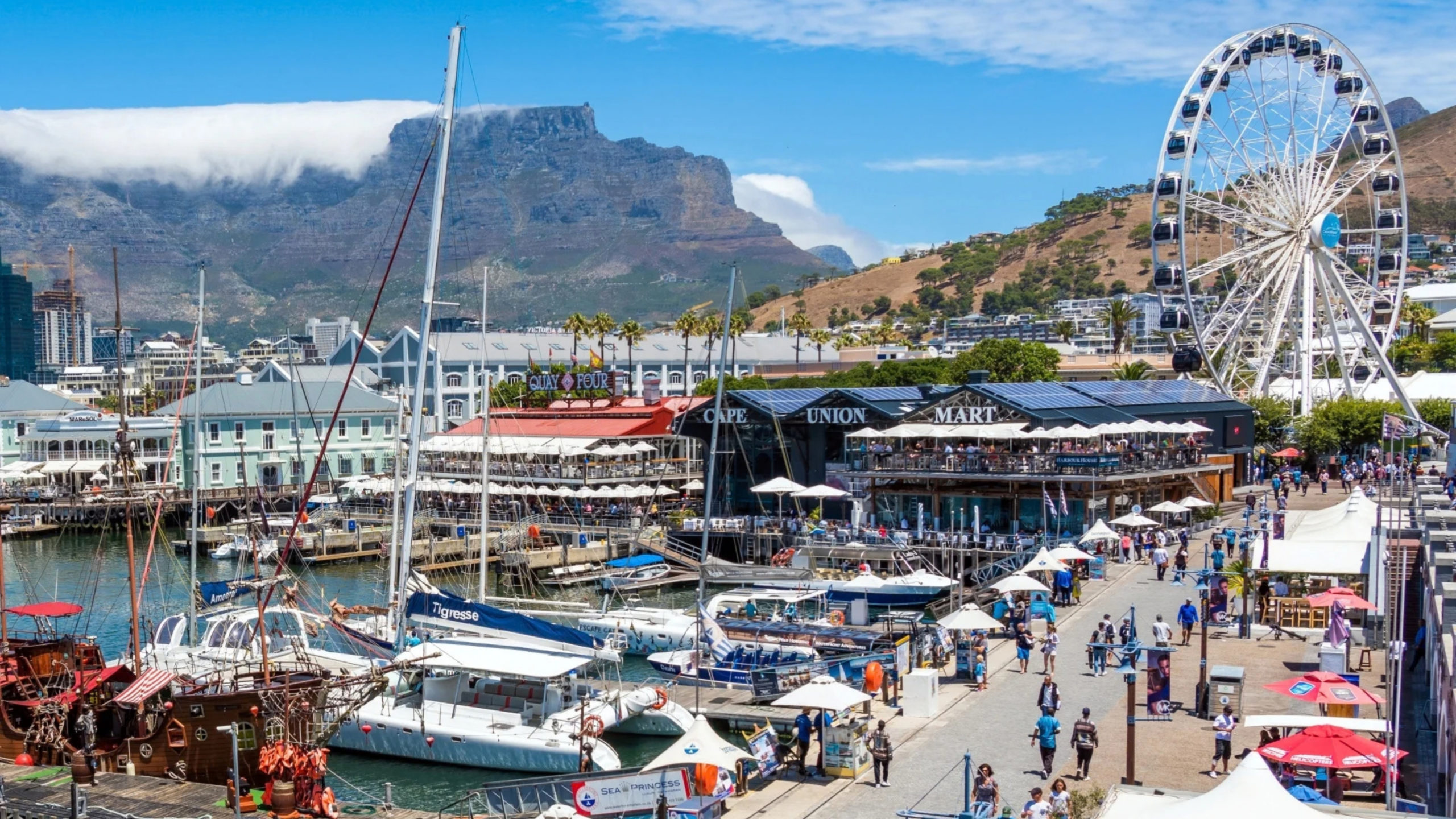
V&A Waterfront
The Victoria & Alfred Waterfront is a self-contained harbour precinct with its own 24-hour private
security, a strong police presence, and hotels, shops and restaurants within easy walking distance of each other. It is one of the few places in the city where walking to dinner and back after dark feels completely natural. Even if you stay elsewhere, the V&A Waterfront is an easy evening out for dinner by the water, with the mountain lit up behind the harbour.
Atlantic Seaboard: Camps Bay and Sea Point
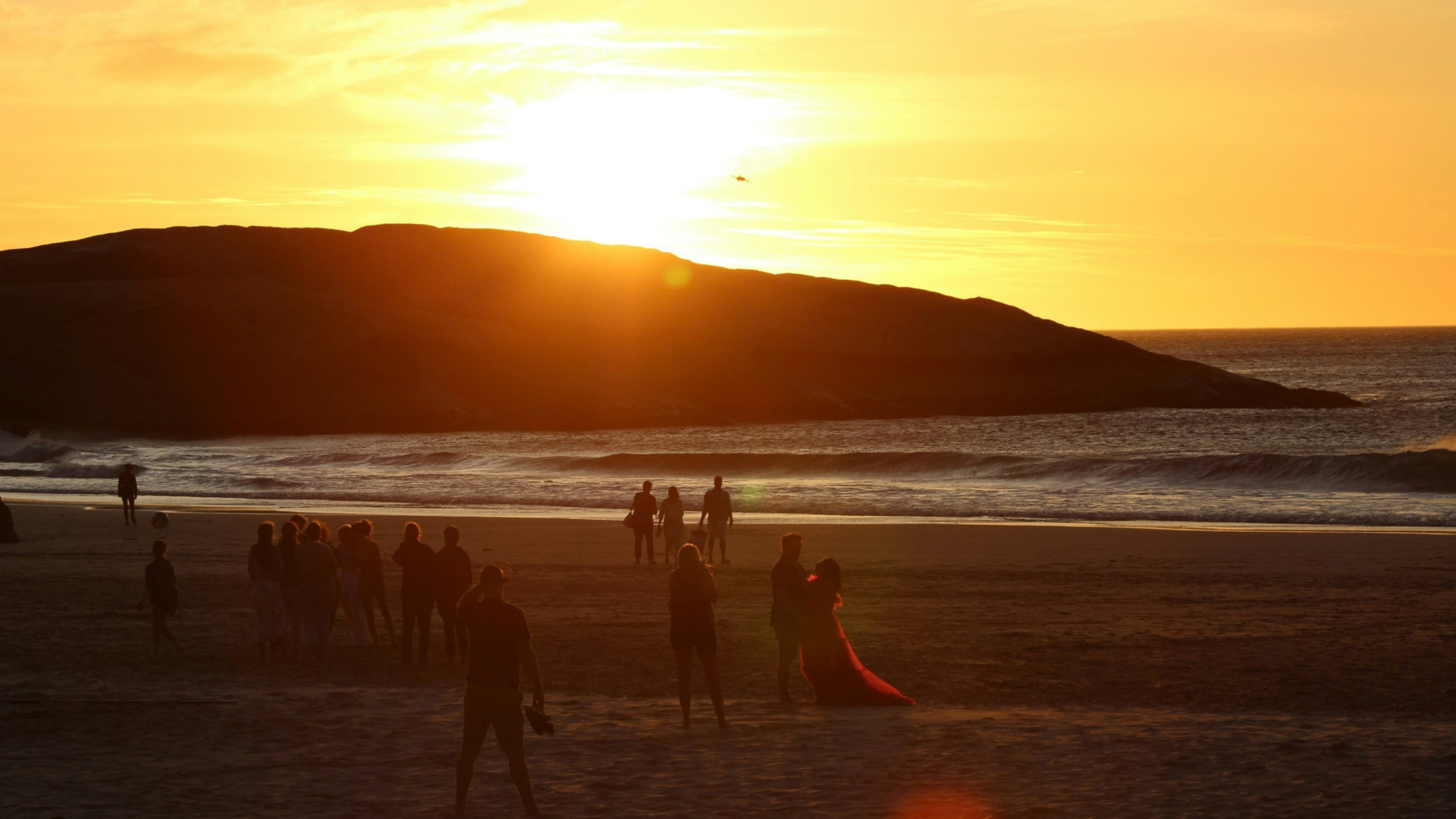
The Atlantic Seaboard suits travellers who want an active coastal lifestyle. Sea Point’s long promenade is busy with walkers, runners and cyclists from early morning until sunset, and Camps Bay’s beachfront restaurants and cocktail terraces stay lively into the evening. High visibility is the key here: the busier the area, the more relaxed it feels. For more on the beach, the tidal pool and evening dining, see our Camps Bay beach guide.
Constantia and the Table Mountain Enclaves
For those who prefer quiet, the leafy residential areas on the slopes of Table Mountain and the wine estates of Constantia offer secluded properties, private security and a slower pace.
Atzaró Cape Town sits in Oranjezicht, a residential neighbourhood on the edge of the City Bowl at the foot of Table Mountain National Park, with no other property behind it, only the mountain.
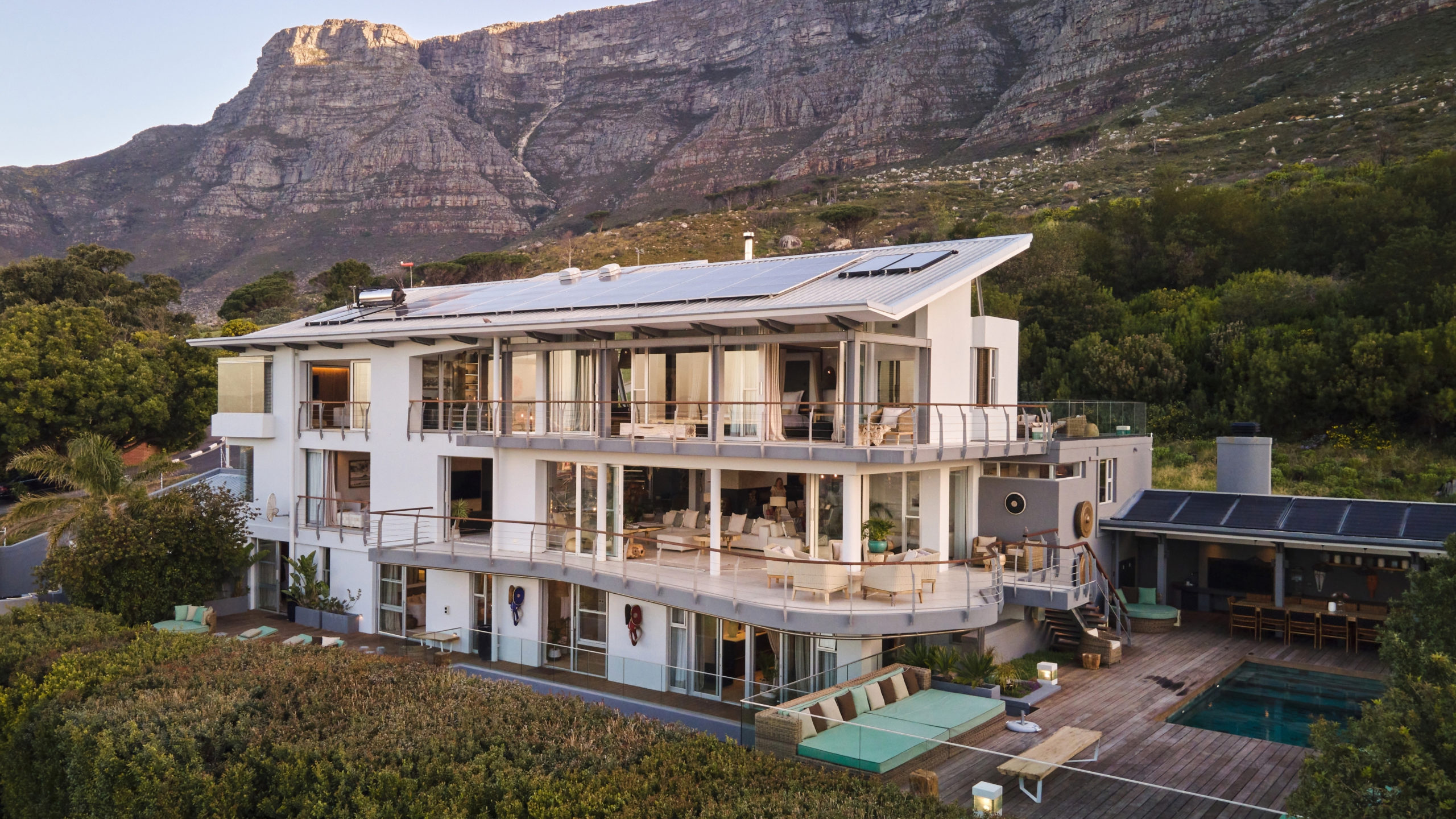
The hotel has security-monitored premises, 24-hour staff, on-site parking and an in-room digital safe in every suite, so the city is close by while the evenings remain entirely private. Groups and families who want the whole house to themselves can also book it as an exclusive-use private villa.
Which Areas and Transport Options Should Tourists Be Careful with in Cape Town?
Most of Cape Town’s safety advice comes down to knowing a few boundaries and choosing the right way to get around.
Regional Boundaries
The Cape Flats, a vast area of townships and suburbs to the south-east of the city, is where much of Cape Town’s serious crime is concentrated. It sits far from the areas where visitors stay and is not somewhere you would pass through by chance on the way to the main attractions. Townships such as Langa and Khayelitsha have a rich cultural life, and visiting them can be one of the most meaningful parts of a trip, but always do so on a hotel-vetted private tour with a local guide rather than independently.
Airport Transfers and Chauffeurs
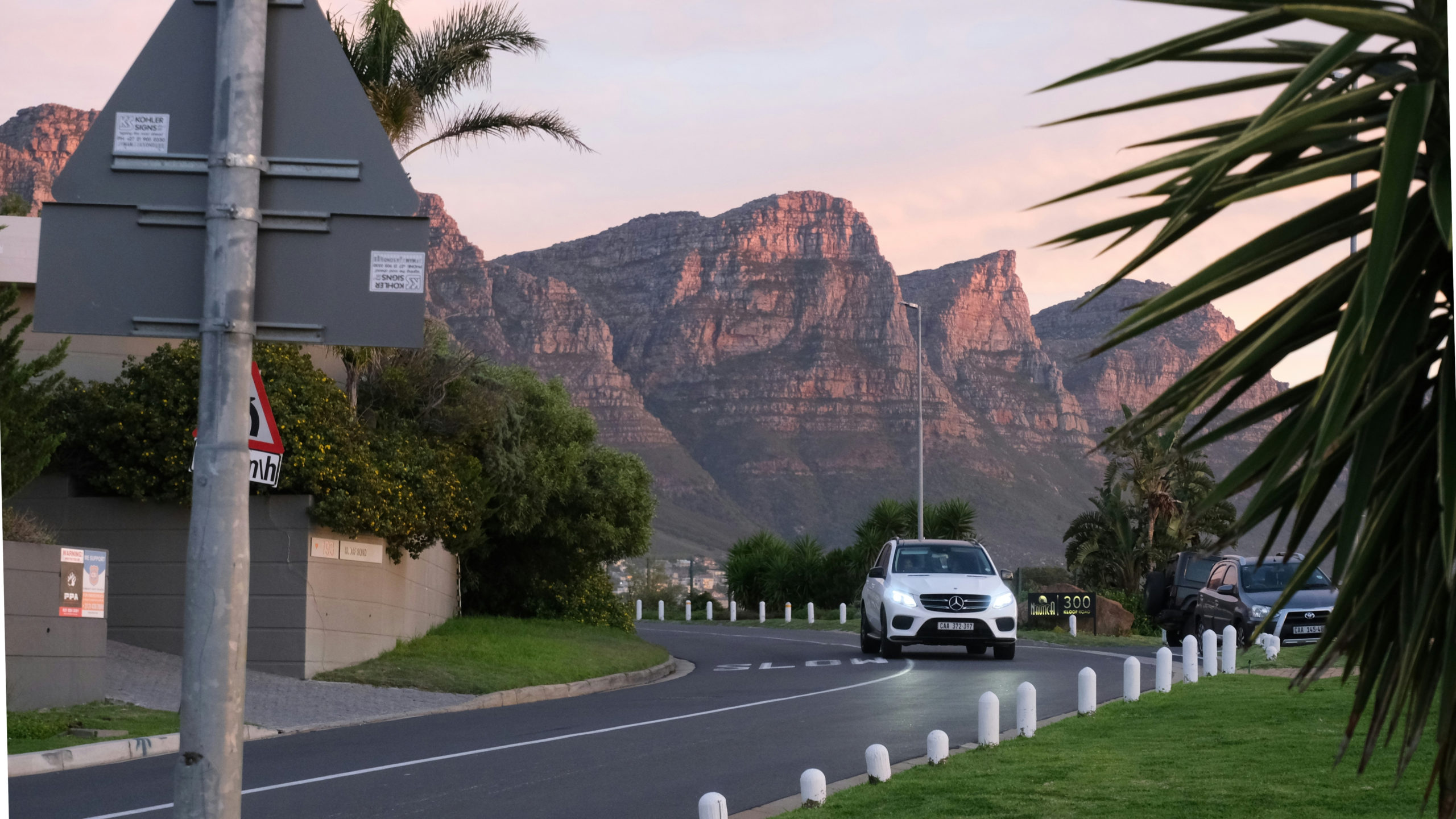
Cape Town International Airport is around 23 km from Atzaró Cape Town, a drive of roughly 25 to 35 minutes depending on traffic. Book your airport transfer before you land rather than taking a street cab on arrival. For getting around the city, a private chauffeur arranged through your hotel or a verified premium rideshare service is the simplest and safest option: you always know who is driving, and you are never left waiting on a street corner. Airport transfers are not included in a stay at Atzaró Cape Town, but our concierge team can help arrange one.
Navigation
The main routes between the airport, the city centre and the southern suburbs, the N2 and the M3, are well travelled and well maintained. Stick to them, particularly at night, and do not follow GPS shortcuts blindly: navigation apps sometimes choose the fastest route through areas you would otherwise avoid. If in doubt, ask your hotel for the best route before you set off.
What Safety Tips Should High-End Travelers Follow in Cape Town?
The most effective safety habits in Cape Town are the discreet ones. They take no effort and make a real difference.
Valuables and Discretion
Use the in-suite safe for passports, jewellery and fine watches, and keep daytime accessories low-profile when exploring the city, markets and beaches. Keep your phone in a pocket or bag rather than on a restaurant table or in your hand while walking, and never leave anything visible in a parked car, even for a few minutes.
Financial Transactions
Tap-and-pay cards are accepted almost everywhere, from restaurants to wine estates, so there is rarely a need to carry much cash. If you do need to withdraw money, use an ATM inside a shopping centre, a bank branch or your hotel rather than a standalone machine on the street, decline offers of “help” from strangers, and shield your PIN.
Everyday Habits
Keep car doors locked and windows up at traffic lights, especially in the city centre. After dark, favour busy, well-lit areas and take a car door to door rather than walking between neighbourhoods. And make the most of local knowledge: hotel staff know which areas are best at which times of day.
“The questions we hear most are practical ones: which trail to take, where to walk in the evening, how to get back after dinner. Cape Town rewards a little local knowledge, and sharing it is part of looking after our guests. Most evenings, the best advice is simply to let us arrange the car.”— Jordi, General Manager, Atzaró Cape Town
How Can Visitors Stay Safe While Hiking Table Mountain and Exploring Cape Town Outdoors?
Table Mountain National Park is one of the great joys of Cape Town, and from Oranjezicht, the mountain begins almost at the door. Most of the park’s risks are natural rather than criminal: the weather changes quickly, the trails are steeper than they look from below, and help can take time to reach remote spots.
Hiking Table Mountain and Lion’s Head
Hike in a group or with a registered guide, and tell someone at your hotel which route you are taking and when you expect to return. Stay on marked trails, start early to avoid the midday heat and the afternoon wind, and carry more water than you think you need, along with a warm, windproof layer. The famous “tablecloth” of cloud can roll over the summit within minutes, so turn back if visibility drops. Platteklip Gorge is the most direct route up the front of Table Mountain, while Lion’s Head is shorter but includes chains and ladders near the top. The cable car is a good alternative for the descent, though it can close in high winds, so check its status before you set out. For routes, timings and what to expect, read our guide to hiking Table Mountain.

Emergency Numbers to Save
Before any hike, save these numbers in your phone: Wilderness Search and Rescue on 021 937 0300 and the Table Mountain National Park emergency line on 086 110 6417, or dial 112 from any mobile. Friends of Table Mountain also recommends SafetyMountain Tracking, a WhatsApp- based service that follows your progress and raises the alarm if you do not check in.
On the Coast
At the beach, swim only where lifeguards are on duty in season and between their flags, as the Atlantic is cold and can have strong currents. Tidal pools offer calmer water. And as anywhere, keep an eye on your belongings on busy beaches.
If you would like help shaping your days around the mountain and the coast, our team can help you plan your trip to Cape Town, from guided hikes to private drivers and restaurant reservations.
What Questions Do Travelers Ask Most Often About Cape Town Safety?
Is Cape Town dangerous for tourists?
Cape Town is not dangerous for most tourists who stay in established areas and follow local advice. Most crime affecting visitors is opportunistic, such as petty theft, and is easily avoided by keeping valuables discreet and using private transport.
Is it safe to travel to Cape Town, South Africa?
Yes. Cape Town is one of the most visited cities in Africa. With a well-located hotel, pre-booked transfers and sensible habits, it is safe and easy to explore.
How safe is Cape Town for tourists at night?
Areas such as the V&A Waterfront, the Camps Bay promenade and Sea Point are busy and well lit in the evening. Stay in lively areas, avoid walking between neighbourhoods after dark, and use a pre-booked car or verified rideshare to return to your hotel.
Is Uber safe in Cape Town?
Verified rideshare apps such as Uber and Bolt are widely used in Cape Town and are a safer choice than unmarked street taxis. Always check the car registration and driver details in the app before getting in.
Is it safe to hike Table Mountain alone?
It is safer to hike Table Mountain in a group or with a registered guide. Stay on marked trails, tell someone your route, and save the Wilderness Search and Rescue number, 021 937 0300, before you set off.
Can you drink the tap water in Cape Town?
Yes, tap water in Cape Town is treated and safe to drink. Bottled water is also widely available if you prefer it.